Crazy in Love with You: A Designer’s Real-World Review
As an embroidery designer who has spent countless hours staring at digitizing software and even more hours pulling out botched stitches from hoop marks, I approach every new machine embroidery design with a healthy dose of skepticism. We have all been there: a graphic looks stunning on a screen, crisp and perfect in vector format, but the moment it hits the fabric, the reality of thread tension and fabric grain takes over. That is why I took a close, practical look at Crazy in Love with You, not just as a digital asset, but as a potential centerpiece for real client projects and handmade goods.
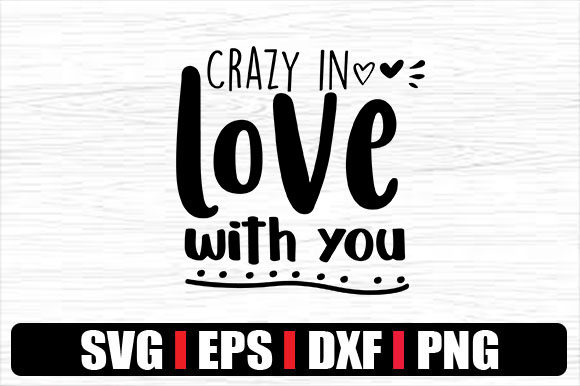
The first impression of this piece is its emotional resonance. It does not scream for attention with overly complex shading or impossible gradients. Instead, it relies on strong typographic presence and a layout that suggests warmth and affection. For those of us in the crafts industry, specifically those dealing in graphics intended for physical production, this simplicity is often a strength. The mood is playful yet sincere, making it a versatile candidate for a wide range of sentimental products. However, visual appeal on a monitor is only half the battle. The true test lies in how these shapes translate into satin and fill stitches when the needle starts moving.
From Screen to Stitch: Evaluating Practical Application
When I imagine using Crazy in Love with You in a real-world scenario, my mind immediately goes to custom apparel. Picture a high-quality, heavyweight cotton sweatshirt. This is a staple item for any Etsy seller or small shop owner. The design’s structure suggests it would sit beautifully on the chest or slightly off-center for a modern, boutique look. Because the description highlights that these are high-quality vector SVG files, we can assume the lines are clean. In embroidery terms, clean lines usually mean fewer jump stitches and a smoother finish, provided the digitizer has respected the minimum stitch length requirements.
Beyond apparel, this design has significant potential for home goods. Consider a natural linen tote bag. Linen can be tricky due to its weave, but a design with bold, clear elements like this tends to hold up well against the texture. It transforms a simple grocery carrier into a personalized gift or a statement piece for a Valentine’s Day promotion. I also see this working exceptionally well on kitchen towels or aprons. The theme of love is not restricted to romantic partners; it extends to family, friends, and self-love, broadening the market for your finished product.
Navigating Fabric Challenges and Hoop Constraints
While the design is appealing, we must discuss where caution is necessary. Any experienced embroiderer knows that text-heavy or intricate graphic designs can be unforgiving on certain materials. If you are planning to use Crazy in Love with You on stretchy fabrics like jersey knits for t-shirts, your choice of stabilizer becomes critical. A cut-away stabilizer is likely non-negotiable here to prevent the design from puckering after washing. Without proper support, the stitch density required to fill in any solid areas could distort the garment, ruining the professional look you are aiming for.
Another consideration is the hoop size. While the exact dimensions are not specified in the brief, you must verify that the design fits comfortably within your machine’s maximum hoop area, leaving enough margin for the frame to grip the fabric securely. Attempting to squeeze a large design into a small hoop by resizing it down can lead to disaster. Tiny details may merge, and satin stitch columns might become too narrow to cover the fabric properly, leading to gaps or thread breaks. Always check the scaled-down version on your screen before hitting start.
Dark fabrics present another hurdle. If you are stitching this onto a navy or black hoodie, you need to ensure high contrast. Light-colored threads will pop, but you must also consider the underlay. A proper digitized file should include adequate underlay stitches to prevent the dark fabric from showing through the lighter top threads. If the provided files are primarily SVGs and PNGs, remember that these are graphic formats, not native embroidery files. You will need to use embroidery software to convert or trace these graphics into a stitch file, giving you control over thread colors, stitch types, and density. This step is crucial for maintaining quality.
Commercial Viability and Brand Consistency
For commercial embroidery professionals and craft business owners, consistency is key. A design like Crazy in Love with You can become part of a seasonal collection. Its versatility allows it to fit into various product lines, from baby onesies—where softness and low-profile stitching are paramount—to decorative pillow covers. When used correctly, it enhances brand consistency by offering a cohesive aesthetic across different items. Customers recognize the quality and style, which builds trust and encourages repeat purchases.
Moreover, the availability of PNG files with transparent backgrounds is a significant advantage for marketing. You can easily create printable mockup images for your online store without needing to physically produce every color variation first. This saves time and resources, allowing you to test market response before committing to bulk production. It also helps in creating compelling social media content, showcasing how the design looks on different backgrounds and products.
Essential Pre-Production Checks
Before you list this as a small shop product or use it for a client order, follow these practical steps:
- Test on Scrap Fabric: Never run a new design directly on your final garment. Use a similar fabric scrap to check for registration issues and thread breaks.
- Verify Licensing: Ensure the license terms allow for commercial use if you plan to sell finished items. The description mentions high-quality vectors for various products, but always confirm the specific rights granted for resale.
- Check Stitch Density: If converting from SVG, adjust the density to suit the fabric. Heavy density on thin fabric causes stiffness; light density on thick fabric looks sparse.
- Contrast Check: View the design in black and white to ensure the elements are distinct and legible without color reliance.
- Hooping Strategy: Plan your hooping method, especially for curved surfaces like caps or bulky items like hoodies, to avoid distortion.
In conclusion, Crazy in Love with You offers a charming and commercially viable option for designers willing to put in the preparatory work. It is not just a graphic; it is a foundation for a tangible, heartfelt product. By respecting the technical limitations of embroidery and leveraging the flexibility of the provided digital assets, you can create items that resonate with customers and stand up to the rigors of daily use. Whether you are an experienced embroidery project manager or a hobbyist looking to elevate your handmade product line, this design deserves a spot in your toolkit, provided you approach it with the precision and care it requires.