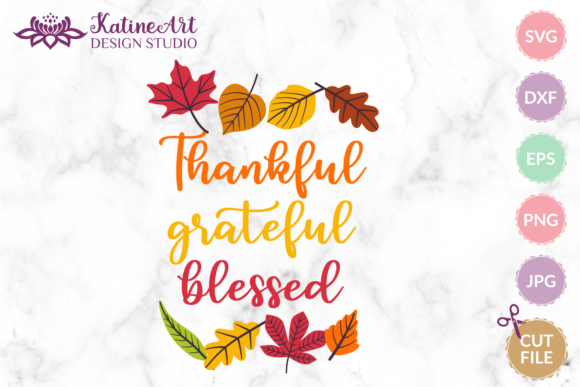
Reviewing the Thankful Grateful Blessed Faith SVG
As a designer who spends more time staring at stitch simulations than I do sleeping, I have developed a keen eye for what makes a digital file translate well into thread. We are constantly bombarded with design assets promising instant success, but few hold up under the needle. Recently, I pulled the Thankful Grateful Blessed Svg Faith Svg into my workspace to evaluate its potential for real-world application. This is not just another seasonal graphic; it is a staple for the autumn and holiday markets, and understanding how it behaves in a machine embroidery design context is crucial for any serious maker.
First Impressions and Visual Personality
The first thing that strikes you about this piece is its typographic balance. The words "Thankful," "Grateful," and "Blessed" carry a weight that suggests warmth and stability. In the realm of Graphics, this falls squarely into the category of faith-based seasonal decor, but its utility extends far beyond a simple PNG preview. The layout is clean, avoiding unnecessary clutter that often plagues fall-themed designs. There is no excessive foliage or complex background elements that would complicate the stitching process. This simplicity is a virtue. It allows the message to stand alone, making it versatile for various Crafts applications.
The mood it creates is one of quiet reflection. It does not shout; it invites. For an embroidery project, this means the design relies heavily on font choice and spacing. When reviewing the file structure, I look for closed shapes and consistent line weights. A design like this, which is primarily text-based, requires precise digitizing to ensure the letters remain legible after the fabric pulls and the thread settles. The visual personality is approachable, making it an ideal candidate for personalized gifts where the sentiment matters more than flashy ornamentation.
Real-World Application: The Custom Tote Scenario
To truly test the viability of the Thankful Grateful Blessed Svg Faith Svg, I imagined a specific client request: a set of custom canvas tote bags for a church community group’s harvest festival. This is a common scenario for any Etsy seller or small shop owner. Canvas is a sturdy fabric, but it has a distinct weave that can interfere with fine details.
In this context, the design performs admirably because of its bold lettering. If I were using a satin stitch for the smaller elements and a fill stitch for the larger words, the contrast against the natural beige canvas would be striking. I envisioned using deep burnt orange and olive green thread colors to evoke the autumn season without relying on cliché pumpkin imagery. The result would be a sophisticated tote bag design that feels handmade and thoughtful, rather than mass-produced. The clarity of the text ensures that even from a distance, the message is readable, which is essential for items meant to be carried and seen in public.
Versatility Across Product Lines
Beyond totes, this design shines in custom apparel. Imagine it centered on the chest of a oversized crewneck sweatshirt. The sweatshirt embroidery market is huge, and customers love subtle, meaningful statements. Because the design is relatively compact, it fits well within standard hoop sizes without requiring excessive repositioning. It also works beautifully for holiday embroidery projects, such as kitchen tea towels. A simple running stitch border around the text could add a rustic charm that appeals to buyers looking for home decor accents.
For those creating embroidered patch products, this svg offers a great base. Patches require dense stitching to prevent fraying, and the solid nature of the letters provides a good foundation for a merrowed edge. Whether you are making baby embroidery items like bibs or blankets, or adult accessories like aprons, the scalable nature of the vector file allows you to adjust the dimensions to fit the specific hoop size of your machine.
Technical Considerations and Stitching Challenges
While the design is robust, it is not without its challenges. As an experienced reviewer, I must point out where caution is needed. Text-based designs are notorious for causing registration issues if the stitch density is too high. If you are stitching on stretchy fabric, such as a jersey t-shirt, you must use a high-quality cut-away stabilizer. Without proper stabilization, the fabric will pucker around the letters, distorting the word "Blessed" and ruining the aesthetic.
Another critical factor is the fabric texture. On highly textured materials like terry cloth or wool, fine serifs or thin connecting lines might get lost. I recommend testing the design on scrap fabric first. Check how the applique design elements, if any are included in the specific file version you purchase, interact with the base material. If the file includes small decorative accents, ensure they are not so tiny that they become mere bumps of thread.
Dark fabrics present another hurdle. If you are stitching white or light-colored thread on black fabric, you need to ensure there is adequate underlay stitching to prevent the background color from showing through. This is particularly important for maintaining the professionalism of your finished product. A sloppy stitch-out on a dark garment looks amateurish and can damage your brand reputation.
Enhancing Brand Value and Customer Trust
Using a well-digitized file like the Thankful Grateful Blessed Svg Faith Svg directly impacts your perceived value. Customers can tell when a design has been rushed. Clean lines, consistent tension, and thoughtful color choices signal quality. When you sell a handmade product, you are selling trust. A crisp, clear embroidery job tells the buyer that you care about the details. This leads to higher customer satisfaction and repeat business.
For commercial embroidery purposes, consistency is key. If you are producing fifty units for a boutique order, the design must stitch out reliably every time. This is why checking the digital embroidery file format is essential. Ensure you have the correct format for your machine, whether it is PES, DST, or EXP. While the product description mentions Jpg, png, eps, dxf, and svg, always verify which formats are compatible with your specific embroidery software for conversion if necessary.
Practical Designer Notes for Best Results
- Test Before You Sell: Always stitch a sample on the exact fabric you plan to use. What looks good on cotton might fail on polyester.
- Check Thread Contrast: Use a color wheel to select threads that pop against your fabric. High contrast improves readability.
- Review Stitch Density: If the design feels stiff after stitching, reduce the density in your editing software.
- Confirm Hoop Size: Ensure the design fits comfortably within your hoop with enough margin for clamping.
- Inspect Small Details: Zoom in on the digital preview to check for overlapping stitches or tiny gaps.
- Mockup in Black and White: This helps you see the structural integrity of the design without the distraction of color.
- Licensing Verification: Before selling finished items or printable mockup previews, confirm the license terms provided by the creator, Kasi. Commercial rights vary.
In conclusion, the Thankful Grateful Blessed Svg Faith Svg is a strong contender for your autumn and faith-based collections. It offers the flexibility needed for diverse small shop product lines, from personalized gift items to branded merchandise. By paying attention to stabilizer choice, fabric compatibility, and stitch quality, you can transform this digital asset into a tangible, high-value item that resonates with your customers. It is a reminder that in the world of embroidery, the best designs are those that respect the medium and the message equally.