Mr. Heart Stopper: A Designer’s Review for Real Embroidery
As an embroidery designer who has spent countless hours digitizing, testing, and stitching out files for clients, I have learned that not every pretty graphic translates well to thread. When I first encountered Mr. Heart Stopper, my initial reaction was curiosity mixed with professional caution. The concept of a loving Valentine’s Day quote design is timeless, but the execution determines whether it becomes a best-seller on an Etsy shop or a wasted spool of thread. This review breaks down how this specific asset performs when moved from the screen to the sewing machine, focusing on practical application for crafters, small business owners, and apparel decorators.
First Impressions and Visual Personality
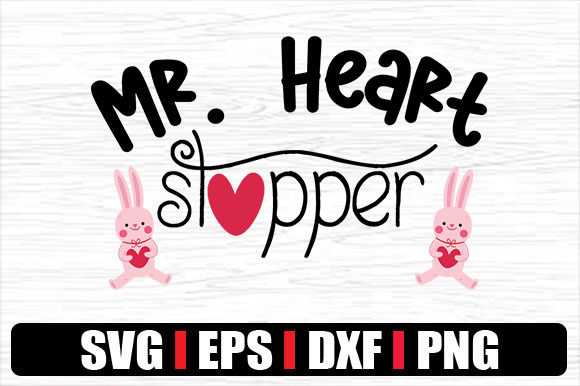
The immediate appeal of Mr. Heart Stopper lies in its thematic clarity. It captures a playful yet romantic mood that fits perfectly into the current trend of whimsical holiday decor. For those of us working in Crafts and digital Graphics, the layout appears balanced, suggesting that the negative space has been considered. However, viewing a vector SVG or a PNG with a transparent background is vastly different from seeing satin stitches and fill stitches on fabric. The design promises versatility, claiming suitability for mugs, t-shirts, bags, and cards. From an embroidery standpoint, I immediately filtered out the non-textile applications to focus on where this design truly shines: wearable art and home textiles.
The visual personality is bold enough to be read from a distance but retains enough charm to invite closer inspection. This is crucial for personalized gifts and boutique products where emotional connection drives the sale. If the lines are too thin, they disappear; if too dense, they pucker. My assessment begins with the assumption that this design needs careful handling to maintain its integrity during the stitching process.
Real-World Application: The Custom Tote Bag Test
To evaluate Mr. Heart Stopper realistically, I imagined a common scenario for many handmade shop owners: creating a limited-run Valentine’s collection featuring custom tote bags. Tote bags are a staple for Etsy sellers because they offer a large, flat canvas. Using a heavy cotton canvas, I considered how the design would interact with the fabric texture.
For a project like this, the design serves as the focal point. If the quote includes intricate lettering, the choice between a satin stitch for smaller text and a fill stitch for larger elements becomes critical. In my mental mockup, I placed Mr. Heart Stopper centrally on the bag. The result suggests a high-impact handmade product that appeals to buyers looking for unique holiday embroidery. The transparency of the provided PNG files allows for easy placement in printable mockups, helping sellers visualize the final look before committing to production. This step is vital for maintaining brand consistency and ensuring the finished product matches customer expectations.
Sweatshirts and Apparel Considerations
Moving beyond accessories, let’s consider custom apparel, specifically sweatshirts. This is a high-demand category for small shop products. Here, the stretch of the fabric introduces new challenges. A design like Mr. Heart Stopper must be stabilized correctly to prevent distortion. If the design contains dense areas, using a cut-away stabilizer is non-negotiable to support the weight of the thread. For lighter t-shirts, a tear-away might suffice, but the risk of puckering increases. I recommend testing the stitch density on scrap fabric identical to your final garment. This simple step saves hours of frustration and protects your reputation as a professional embroidery project creator.
Navigating Technical Challenges
While Mr. Heart Stopper offers high-quality vector sources, translating these to a machine embroidery design requires attention to detail. There are specific scenarios where caution is advised. For instance, if you plan to use this on a curved surface like a cap, the layout may need adjustment to avoid distortion at the seams. Similarly, tiny lettering within the quote can become illegible if the hoop size is too small or if the thread color lacks contrast against the fabric.
- Fabric Choice: Avoid highly textured fabrics like thick wool unless you simplify the design details. Smooth cottons, polyesters, and blends yield the crispest results.
- Thread Colors: Test your thread colors against both light and dark backgrounds. A design that pops on white may vanish on black without proper underlay stitches.
- Washability: For items like baby clothes or kitchen towels, ensure the stitch type can withstand frequent washing. Dense fills may hold up better than long satin stitches which can snag.
When working with digital embroidery file assets, always verify the conversion quality. Since the product description highlights SVG and PNG formats, you may need to digitize the design yourself or purchase a pre-digitized version compatible with your machine. Never assume a vector file is ready for stitching without checking pathing and jump stitches.
Enhancing Product Value and Customer Trust
From a business perspective, the quality of your embroidery directly impacts customer trust. A clean, well-stitched Mr. Heart Stopper design signals professionalism. It transforms a simple item into a cherished personalized gift. For commercial embroidery projects, consistency is key. If you are producing batches for boutique branding, ensure every piece meets the same standard. Use the design to create cohesive design assets for your marketing, such as social media posts featuring close-ups of the stitch work.
Buyer engagement often hinges on the perceived effort and quality. A well-executed embroidered patch or a neatly stitched pillow cover featuring this design can command a higher price point. It shows that you care about the details, from the choice of applique design elements to the finishing touches. This attention to detail builds a loyal customer base who return for future craft business purchases.
Practical Designer Notes for Success
Before launching your next campaign with Mr. Heart Stopper, keep these practical tips in mind. First, always test the design on scrap fabric. This allows you to check for any issues with running stitch outlines or dense fill areas. Second, review the license terms. While the product is marketed for various uses, confirm whether it covers commercial sales of finished physical items versus digital redistribution. Most designers allow selling finished goods but prohibit reselling the digital file itself.
- Check hoop size compatibility with your machine.
- Inspect small details for potential thread breaks.
- Compare the design on different fabric weights.
- Use appropriate stabilizers for stretchy or thin materials.
- Verify color contrast for maximum readability.
In conclusion, Mr. Heart Stopper presents a strong opportunity for creators in the Crafts sector. Its versatility across various Graphics applications is promising, but its true value is unlocked through skilled embroidery execution. By understanding the technical requirements and respecting the material constraints, you can turn this design into a standout piece in your portfolio. Whether you are making a single baby embroidery item for a friend or a hundred tote bag design units for a fair, thoughtful preparation ensures success. Embrace the creative process, test thoroughly, and let your craftsmanship speak for itself.