Reviewing Best Friend: A Designer’s Take on Valentine Embroidery
As a designer who has spent countless hours digitizing patterns and testing them on everything from stiff denim to delicate baby knits, I approach every new machine embroidery design with a critical eye. It is not just about whether the image looks cute on a screen; it is about how those lines translate into thread, how the tension holds up after washing, and whether the final finished product feels premium enough to sell. Recently, I evaluated the Best Friend design, part of a collection featuring Love Valentine Quote Sayings. This review breaks down my practical observations for fellow embroidery designers, Etsy sellers, and craft business owners looking to add meaningful, high-quality items to their inventory.
First Impressions: Mood and Visual Personality
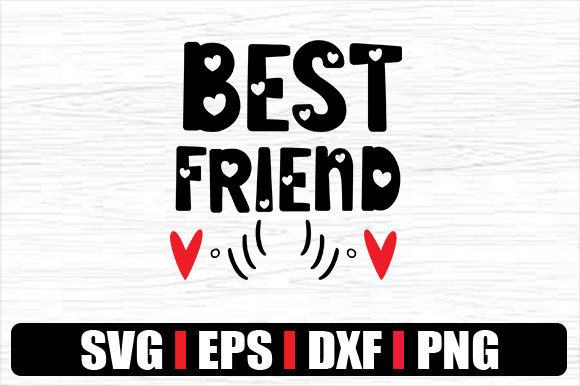
The first thing that strikes you about Best Friend is its inherent warmth. In the world of Crafts and digital Graphics, many Valentine-themed designs lean heavily into clichés—hearts, arrows, and overly complex scripts that become a nightmare to stitch. However, this design feels more grounded. The layout suggests a balance between readability and decorative flair, which is crucial for quote-based embroidery. When I visualized this as a sweatshirt embroidery piece, the mood felt nostalgic yet modern, perfect for matching sets or personalized gifts between close friends or partners.
The visual personality here is versatile. It does not scream for attention with excessive density, which is a common pitfall in low-quality digital embroidery file packages. Instead, it offers a clean aesthetic that allows the texture of the fabric to play a role in the final look. For a designer, this means the artwork is likely adaptable across various mediums without losing its core identity.
Real-World Application: From Tote Bags to Baby Items
To truly understand the value of an embroidery file, you have to imagine it in situ. I mentally placed Best Friend on a canvas tote bag design. The result was promising. The quote structure provides a natural focal point, making it ideal for center-chest placements on apparel or central panels on bags. Because the description notes these are high-quality vector SVG files alongside PNGs, the scalability is a significant advantage for those who might also use the graphic for printable mockups or hybrid projects involving heat transfer vinyl alongside stitching.
Consider the custom apparel market. A pair of matching hoodies with this design stitched in contrasting thread colors could be a bestseller for an Etsy seller during the Valentine’s season. The design’s simplicity means it does not overwhelm the garment. Similarly, for baby embroidery, such as a onesie or a burp cloth, the legibility of the text is paramount. If the lettering in Best Friend maintains its integrity at smaller sizes, it becomes a go-to choice for new parents looking for sentimental keepsakes. However, this brings us to the technical realities of stitching such designs.
Technical Performance and Stitching Clarity
When evaluating any embroidery project, stitch density is the make-or-break factor. While I do not have the exact stitch count for this specific file, the visual presentation suggests a moderate density. This is generally good news. Overly dense designs can cause fabric puckering, especially on lighter materials like cotton tees or linen tea towels. A balanced approach ensures that the satin stitch borders—if present around letters or shapes—lay flat without pulling the fabric out of shape.
For those using this as an applique design, the SVG format is a massive benefit. You can easily resize the cut lines to match your hoop capabilities. If you are working with a fill stitch background, ensure your stabilizer choice matches the fabric weight. I always recommend testing on scrap fabric first. Check how the thread colors interact with the base material. A dark thread on a light fabric creates high contrast and readability, while tone-on-tone stitching offers a subtle, sophisticated look suitable for boutique branding.
Navigating Fabric Textures and Hoop Constraints
Not all fabrics behave the same way. When applying Best Friend to textured fabrics like terry cloth towels or fuzzy fleece, the finer details of the typography might get lost. In these cases, increasing the size of the design or choosing a bolder font weight within the design suite is advisable. For stretchy fabrics, such as jersey knits used in t-shirts, a cut-away stabilizer is non-negotiable to prevent distortion after washing.
Hoop size is another critical consideration. If you are working with a 4x4 inch hoop, you may need to split the design or reduce it significantly, which could compromise the legibility of smaller letters. Always confirm the recommended hoop size before starting. For curved surfaces like caps, the design needs to be distorted slightly to account for the curvature, ensuring it does not look warped once stitched. This level of attention to detail separates a amateur small shop product from a professional commercial embroidery item.
Commercial Viability and Brand Consistency
For creative entrepreneurs, the ultimate question is: Will this sell? The Best Friend design taps into the evergreen market of personalized gifts. Whether it is for Galentine’s Day, anniversaries, or just because, the sentiment is universal. Using this design in your craft business can enhance brand consistency if your aesthetic leans towards heartfelt, handmade quality. Customers trust products that look well-executed. Clean stitching, proper tension, and thoughtful color choices build that trust.
Moreover, the availability of PNG files with transparent backgrounds allows for versatile marketing. You can create high-quality printable mockup images for your online store without needing to physically stitch every color variation. This saves time and resources, allowing you to test market response before committing to production. It is a smart workflow for any design assets library.
Practical Designer Notes for Best Results
Before you load this design into your machine, keep these practical tips in mind to ensure the highest quality output:
- Test on Scrap Fabric: Always run a test stitch-out on the same type of fabric you intend to use for the final product. This reveals any tension issues or density problems.
- Check Thread Contrast: View your design in black and white on your screen. If the details disappear, the contrast may be too low for certain fabric colors.
- Inspect Small Details: Zoom in on the vector SVG to check for tiny anchor points or nodes that might cause needle breaks or thread nests.
- Confirm Licensing: Before selling finished items or using the graphics for commercial purposes, verify the license terms provided with the download. Ensure it covers commercial use for physical goods.
- Use Proper Stabilizer: Match your stabilizer to the fabric. Tear-away for stable woven fabrics, cut-away for knits, and wash-away for delicate or sheer materials.
In conclusion, Best Friend represents a solid addition to any designer’s toolkit. It balances emotional appeal with practical usability. By understanding its strengths and limitations, you can create stunning holiday embroidery pieces, durable embroidered patch accessories, and cherished personalized gift items that resonate with customers. Remember, the best designs are those that not only look good on screen but stand up to the rigors of real-life use, maintaining their beauty stitch after stitch.