Reviewing MY HAPPILY EVER AFTER for Embroidery
As a designer who spends half my life digitizing and the other half stitching, I have learned to look past the flashy mockups. When I first encountered MY HAPPILY EVER AFTER, I did not just see a cute phrase. I saw a potential challenge and an opportunity. This design, categorized under Crafts and Graphics, presents itself as a high-quality vector SVG file suitable for various applications, from mugs to t-shirts. However, my interest lies in how it translates from a digital screen to actual thread on fabric. For embroidery designers, Etsy sellers, and handmade shop owners, the difference between a good graphic and a great stitched product is often found in the details of execution.
The Visual Personality and First Impressions
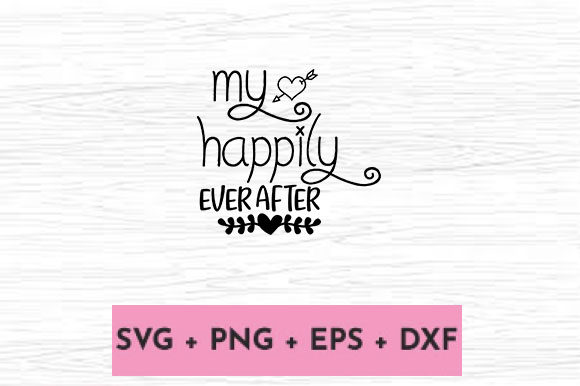
The phrase "Happily Ever After" carries a specific weight. It is romantic, nostalgic, and inherently celebratory. In the context of MY HAPPILY EVER AFTER, the layout suggests a balance between whimsy and readability. For an embroidery project, this is crucial. If the letters are too thin, they vanish into the fabric texture. If they are too dense, the fabric puckers. My first impression was that this design leans toward a clean, modern aesthetic that could work beautifully for wedding gifts or nursery decor. The mood it creates is warm and inviting, which is exactly what customers look for in personalized gifts.
When evaluating any digital embroidery file, I always consider the visual personality. Does it feel cluttered? Is there enough negative space? With this design, the spacing appears generous enough to allow for proper stitch formation without requiring excessive underlay that might stiffen the garment. This makes it a strong candidate for custom apparel where comfort is key, such as sweatshirt embroidery or baby clothes.
Real-World Application: The Tote Bag Test
To truly understand the value of a design, you must imagine it in a real-life scenario. I recently worked on a batch of custom tote bags for a boutique bridal shower. I considered using MY HAPPILY EVER AFTER for these items. A tote bag offers a large, flat canvas, which is ideal for testing the clarity of lettering. The design’s structure would likely hold up well here, provided the stitch density is managed correctly.
For a craft business owner, versatility is money. This design is not limited to one niche. It could easily transition from a holiday embroidery piece for Valentine’s Day to a year-round bestseller for wedding parties. Imagine it stitched onto a linen apron for a cooking class gift, or as a subtle accent on a pillow cover for a newlywed couple. The adaptability of the theme means it fits seamlessly into small shop product lines that cater to life’s milestones.
Technical Considerations for Stitching Success
While the concept is strong, the technical execution determines whether the finished product looks professional or amateur. When working with a machine embroidery design like this, several factors come into play. First, consider the fabric texture. On a smooth cotton or poly-blend, the stitches will lay flat and crisp. However, on textured fabrics like terry cloth towels or fuzzy fleece blankets, fine details can get lost.
Stitch density is another critical element. If the design relies heavily on fill stitch areas, it may pull on stretchy fabrics. For items like caps or curved surfaces, a lighter touch is necessary. I recommend using a satin stitch for the outlines if the digitizer has provided it, as this adds definition without bulk. Running stitch elements should be checked for stability, especially if the design includes intricate swirls or decorative accents.
Hoops size matters too. Before committing to a large production run, confirm that the design fits comfortably within your standard hoop size. Cramping a design into a small hoop can lead to distortion. Always test the design on scrap fabric first. This simple step saves time and materials. Check thread color contrast carefully. A light thread on dark fabric requires precise tension settings to prevent the background from showing through the stitches.
Navigating Challenges in Commercial Embroidery
For commercial embroidery projects, consistency is vital. If you are an Etsy seller producing multiple units, you need a design that behaves predictably. MY HAPPILY EVER AFTER seems straightforward, but there are areas where caution is needed. Tiny lettering can be problematic if the digitizing is not optimized for small scales. If you plan to use this on baby embroidery items, ensure the text remains legible at smaller sizes.
Dark fabrics present another challenge. Light-colored threads on black or navy garments require a solid underlay to prevent the fabric color from bleeding through. Additionally, layered garments like hoodies add thickness that can affect needle penetration and stitch registration. Always adjust your stabilizer choice based on the garment weight. A cut-away stabilizer is often safer for stretchy knits, while tear-away works well for stable wovens.
Enhancing Brand Value and Customer Trust
Why does design quality matter for your brand? Because it builds trust. A clean, well-stitched MY HAPPILY EVER AFTER signals professionalism. It tells the customer that you care about the details. This enhances the perceived value of your handmade product. Whether you are selling embroidered patches or custom apparel, the finish of the stitch work reflects your brand consistency.
Buyer engagement increases when the product looks polished in photos. Use printable mockups to visualize the design on different items before stitching. Compare how it looks in black and white to check for contrast issues. This helps in creating compelling digital product previews for your online store. A strong visual appeal leads to higher conversion rates and better customer reviews.
Practical Notes for Designers and Makers
Before you download or purchase any design assets, verify the licensing terms. Ensure that the file allows for commercial use if you plan to sell finished items. Check if the package includes various formats compatible with your machine. While the description mentions SVG and PNG files, embroidery machines typically require specific formats like DST, PES, or EXP. Confirm these details with the provider.
- Test the design on similar fabric to your final product.
- Adjust thread colors to match your brand palette.
- Use appropriate stabilizer to prevent puckering.
- Inspect small details for clarity after stitching.
- Confirm license terms for commercial sales.
In conclusion, MY HAPPILY EVER AFTER offers a charming aesthetic that fits well within the current market for personalized and romantic goods. By paying attention to technical details like stitch density, fabric choice, and stabilizer selection, you can transform this digital graphic into a stunning physical product. For crafters and small business owners, it represents a versatile addition to your library of design assets, capable of elevating everything from simple tote bags to heirloom-quality gifts.