Reviewing Love You SVG for Embroidery Projects
As a designer who spends half my life staring at digitized paths and the other half pulling bobbins out of jammed machines, I have learned to be skeptical of generic digital assets. We all know the struggle: downloading a digital embroidery file that looks crisp on screen but turns into a tangled mess of thread once it hits the fabric. Recently, I took a closer look at Love You Svg, Valentine Svg, Lettering to see if it holds up under the needle. This isn’t just about whether the lines are smooth; it is about whether this design can carry the weight of a real handmade product in a competitive market.
The First Impression: Mood and Visual Personality
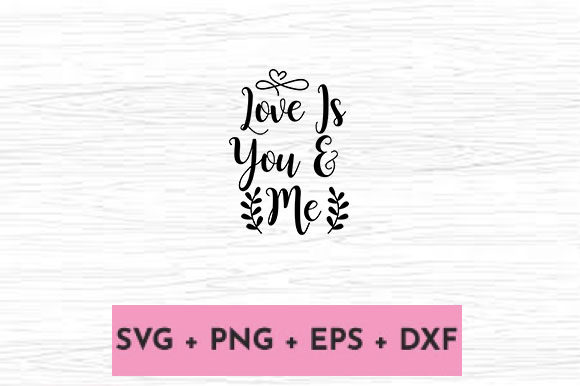
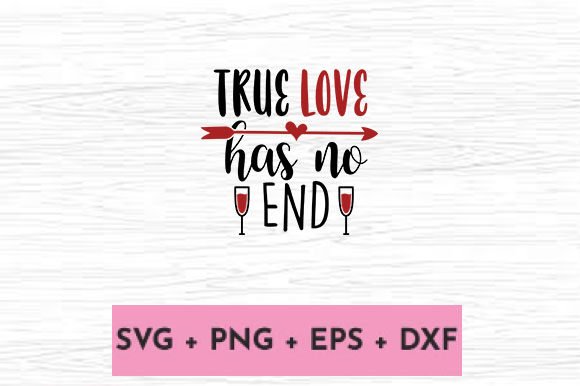
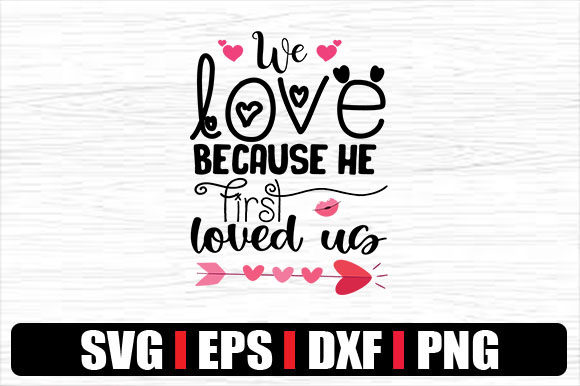
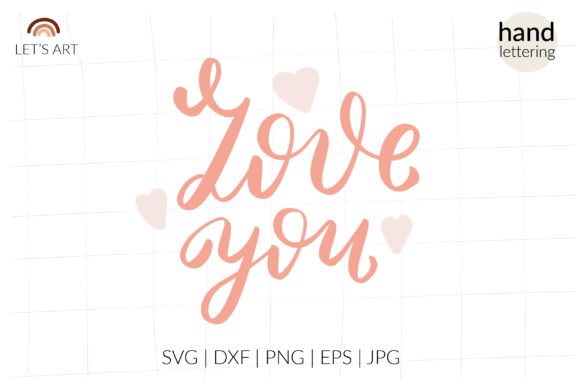
When I first opened the files for Love You Svg, Valentine Svg, Lettering, the immediate takeaway was its versatility. The hand-lettering style strikes a balance between casual warmth and professional polish. It does not scream "clipart." Instead, it feels intentional. For those of us running a craft business, mood is everything. A personalized gift needs to feel special, not mass-produced. This design carries a soft, romantic energy that fits perfectly within the Crafts and Graphics categories without feeling overly juvenile or excessively formal.
The layout is clean, which is crucial for embroidery. Overly complex scripts often result in poor stitch formation, especially at smaller scales. Here, the letterforms appear open enough to allow for proper stitch coverage without creating dense, cardboard-like patches of thread. This visual openness suggests that the design will breathe well on various textiles, from sturdy canvas to softer knits.
Real-World Application: From Screen to Stitch
To truly evaluate Love You Svg, Valentine Svg, Lettering, I imagined it in several common production scenarios. Let’s consider a custom embroidered tote bag. Tote bags are typically made from cotton canvas, a fabric with a visible weave. If you were to use this as a tote bag design, the bold strokes of the lettering would stand out beautifully against the texture. The design’s simplicity ensures that the stitching remains legible even if the fabric shifts slightly during hooping.
Another strong candidate is sweatshirt embroidery. Hoodies and crewnecks are staples for Etsy seller shops, especially around February. Applying this design to the chest area of a fleece-lined sweatshirt requires careful attention to stitch density. Because the design is primarily lettering, it likely relies on satin stitches or narrow fill stitches. On thick fabric, you must ensure your stabilizer is robust enough to prevent puckering. If the design is too dense, it will pull the fabric; if it is too light, the fleece might show through. Based on the vector nature of the source files, this design allows for easy adjustment of stroke width, giving the digitizer control over how it interacts with bulky fabrics.
For baby embroidery, such as on a onesie or a nursery wall hanging, the scale becomes critical. The hand-lettering style is gentle, making it appropriate for infant items. However, you must verify the minimum size at which the details remain clear. Tiny serifs or thin connectors in script fonts can break or become indistinct when scaled down for a small hoop. I recommend testing the design at 4x4 inches before committing to a production run of baby gifts.
Navigating Technical Challenges
While Love You Svg, Valentine Svg, Lettering is visually appealing, it is not without its technical demands. Any experienced embroiderer knows that text-based designs are unforgiving. Here are the areas where you need to exercise caution:
- Fabric Texture and Type: On textured fabrics like terry cloth or waffle knit, fine details can get lost. If you are using this on a kitchen towel or a plush blanket, consider increasing the stroke width slightly during the digitizing phase to ensure the letters pop.
- Stretchy Fabrics: When applying this to custom apparel made from jersey or spandex blends, stabilization is non-negotiable. The tension from the stitches can distort the lettering if the fabric is not properly supported. A cut-away stabilizer is often safer than tear-away for garments that will be washed frequently.
- Curved Surfaces: Using this design on caps or hats requires careful placement. The curvature of the crown can distort horizontal text. You may need to adjust the arch of the design or use a specialized cap frame to keep the hoop size constraints in mind while maintaining visual symmetry.
- Dark Fabrics: If you plan to stitch this on black or navy fabric, thread choice is vital. High-contrast thread colors work best, but be mindful of shadow effects. Sometimes, adding a subtle underlay or choosing a slightly thicker thread can help the design stand out without looking flat.
Enhancing Product Value and Brand Consistency
Why choose this specific design over hundreds of others? It comes down to perceived value. A clean, well-executed machine embroidery design elevates a simple item into a boutique-quality piece. When customers see crisp, consistent lettering on a finished product, they associate it with professionalism. This builds trust. For small shop product lines, consistency is key. Using a cohesive style like Love You Svg, Valentine Svg, Lettering across different items—pillow covers, aprons, and patches—creates a recognizable brand aesthetic.
Moreover, the adaptability of the file formats provided (SVG, DXF, EPS, PNG, JPG) means you are not limited to embroidery. You can use the same asset for printable mockup previews on your online store, ensuring that your digital marketing matches your physical goods. This cross-platform consistency saves time and strengthens your brand identity.
Practical Notes for the Designer
Before you load this onto your machine, take these practical steps to ensure success:
- Test on Scrap Fabric: Never skip this step. Stitch the design on the exact fabric you intend to use for the final product. Check for puckering, thread breaks, or registration issues.
- Check Stitch Density: If you are digitizing this yourself from the vector files, pay close attention to the satin stitch width. Keep it under 7mm for stability unless you are using a tack-down stitch. For wider areas, consider a fill stitch pattern that complements the hand-lettered vibe.
- Contrast Testing: View the design in black and white. If the details disappear in grayscale, they will likely get lost in low-light conditions or on busy fabric patterns. Ensure the running stitch outlines are distinct from the fill areas.
- Licensing Verification: Always confirm the license terms. While the description mentions commercial viability, ensure you understand the limits for selling finished items versus redistributing the digital file itself. This is crucial for maintaining ethical standards in the commercial embroidery industry.
- Hoop Size Selection: Choose the smallest hoop that comfortably fits the design. This minimizes fabric movement and reduces the risk of shifting during long stitch runs.
In conclusion, Love You Svg, Valentine Svg, Lettering is a solid addition to any designer’s library. It offers the flexibility needed for diverse embroidery project types, from holiday gifts to everyday wear. By respecting the technical limitations of embroidery and applying thoughtful digitizing practices, you can transform this simple graphic into a high-value asset for your business. It is not just about stitching a word; it is about conveying a feeling through thread, and this design provides the right foundation to do just that.