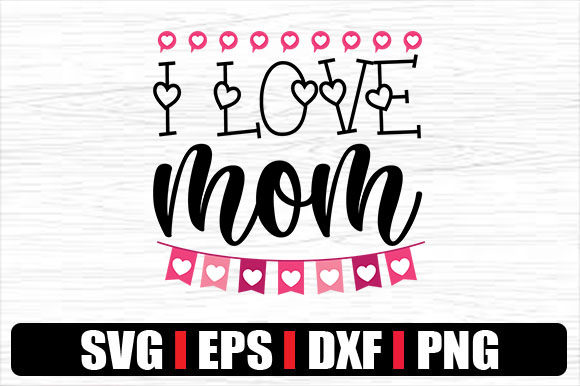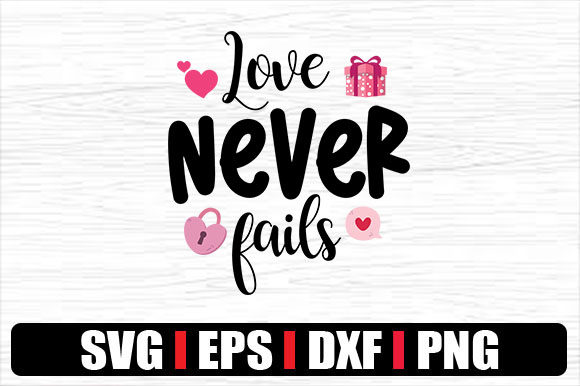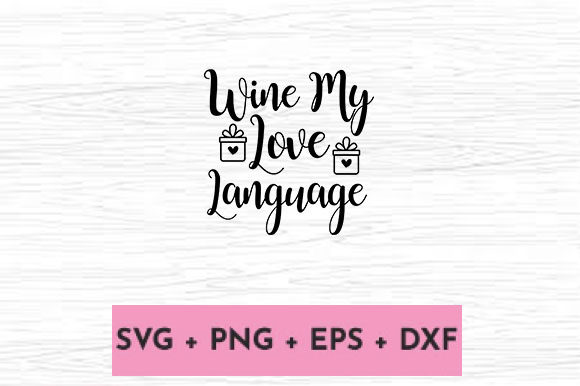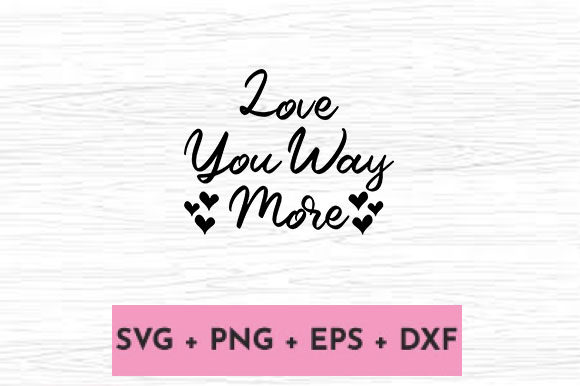
Say You Love Me: A Designer’s Review for Embroidery
As someone who has spent countless hours staring at hoops, troubleshooting thread breaks, and refining digitized files for clients, I approach every new machine embroidery design with a mix of curiosity and caution. We all know that what looks crisp on a computer screen does not always translate perfectly to fabric. When I first encountered Say You Love Me, my initial reaction was not just about the aesthetic appeal, but about its potential viability in real-world production. This is not just a graphic; it is a statement piece that needs to hold up under the needle.
The design centers on a loving Valentine’s Day quote, which immediately places it in a high-demand seasonal category. However, the true test for any designer is versatility. Can this file survive beyond February? Does it work for a wedding gift in June or an anniversary present in October? After reviewing the vector SVG source and the accompanying PNG files with transparent backgrounds, I found myself mapping out several practical applications for my own craft business and client projects.
First Impressions and Visual Personality
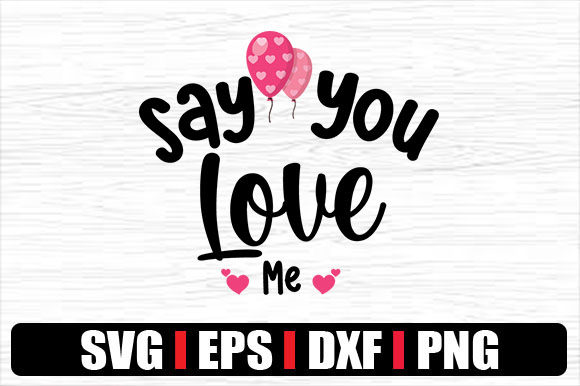
The mood of Say You Love Me is warm, intimate, and modern. It avoids the overly cliche heart motifs that often clutter holiday designs, opting instead for a typography-driven approach that feels contemporary. For embroidery designers, this is crucial. Text-based designs are notoriously tricky because legibility can vanish if the stitch density is too high or the font weight is too thin. The layout here suggests a balanced composition that should allow for clear stitching, provided the right techniques are used.
From a visual standpoint, the design creates a sense of handmade authenticity. It fits seamlessly into the world of Crafts and Graphics where simplicity often wins over complexity. The visual personality is friendly yet professional, making it suitable for both personal gifts and boutique merchandise. When I imagine this stitched out, I see clean lines and a deliberate use of negative space, which is essential for maintaining clarity on textured fabrics.
Real-World Application: The Tote Bag Test
To truly evaluate an embroidery file, I mentally place it on various substrates. Let’s consider a custom embroidered tote bag. This is a staple item for Etsy sellers and small shop owners. Using Say You Love Me on a heavy canvas tote offers a sturdy base that can handle moderate stitch density without puckering. The quote serves as a perfect focal point, centered on the front panel.
In this scenario, the design acts as a premium touch. A plain beige or navy tote becomes a personalized gift instantly. Customers are drawn to items that feel exclusive. By using this design, you are not just selling a bag; you are selling a sentiment. The transparency of the provided PNG files also allows for easy creation of printable mockups, which are vital for online listings. Being able to show customers exactly how the design looks on different colored bags before they buy increases conversion rates and builds trust.
Apparel and Custom Gifts
Beyond bags, this design shines in custom apparel. Imagine it embroidered on the left chest of a high-quality sweatshirt. The scale of the text appears appropriate for this placement, offering a subtle yet impactful look. For baby embroidery, such as on a onesie or a burp cloth, the sentiment takes on a tender meaning. However, one must be cautious with scale. What works on an adult garment may overwhelm a tiny infant item. Always adjust the hoop size accordingly.
Holiday embroidery is another strong suit. While it is marketed for Valentine’s Day, the phrase is timeless. It works beautifully for wedding gifts, bridal shower favors, or even as a romantic gesture for an anniversary. The versatility of the design means it does not sit idle in your digital library after mid-February passes.
Technical Considerations for Stitching
Now, let’s talk about the technical side. As an experienced reviewer, I must highlight areas where care is needed. Text designs require precise tension settings. If you are using a satin stitch for the letters, ensure your stabilizer is robust. A cut-away stabilizer is often safer than tear-away for garments that will be washed frequently, as it provides ongoing support to the stitches.
Fabric texture plays a massive role here. On smooth cotton or linen, the details of Say You Love Me will pop. On textured fabrics like terry cloth or heavy wool, some finer details might get lost. I recommend testing the design on scrap fabric first. Check the thread color contrast carefully. Dark threads on dark fabric will disappear, while light threads on white fabric may lack definition. A good rule of thumb is to view your design in black and white mockups to ensure the contrast holds up regardless of color choice.
Be mindful of stitch density. If the original vector files suggest dense fills, you may need to adjust your machine settings or use a lighter weight thread to prevent the fabric from bunching. For curved surfaces like caps or hats, the design might need to be warped or adjusted to fit the contour properly. Small hoop sizes can limit the scalability, so confirm your equipment capabilities before starting a large batch.
Commercial Viability and Brand Consistency
For commercial embroidery projects, consistency is key. Using high-quality assets like Say You Love Me helps maintain brand professionalism. Whether you are an Etsy seller, a local boutique owner, or a freelance decorator, the quality of your finished product reflects directly on your reputation. A clean, well-stitched design encourages repeat business and positive reviews.
This design also serves as an excellent digital embroidery file for those who sell patterns rather than finished goods. If you are a digital product seller, ensuring that your files are compatible with major machine brands is essential. Since the product description mentions high-quality vector SVG files, this suggests flexibility for resizing without loss of quality, which is a significant advantage for creators who need to adapt designs for various hoop sizes.
Practical Designer Notes
- Always test the design on scrap fabric similar to your final project material.
- Verify the license terms before selling finished items or digital products. Ensure it covers commercial use.
- Use proper stabilizer to prevent puckering, especially on stretchy fabrics like jersey knits.
- Check small details and corners for potential thread breaks or nesting issues.
- Compare the design on both light and dark fabric backgrounds to determine optimal thread colors.
- Consider using a running stitch for outlines if satin stitches prove too dense for your specific fabric.
In conclusion, Say You Love Me is a strong contender for your next embroidery project. It balances aesthetic charm with practical application, making it a valuable asset for makers who want to create meaningful, high-quality handmade products. By paying attention to the technical details and understanding the nuances of fabric and thread, you can transform this digital graphic into a stunning physical reality that resonates with customers and recipients alike.