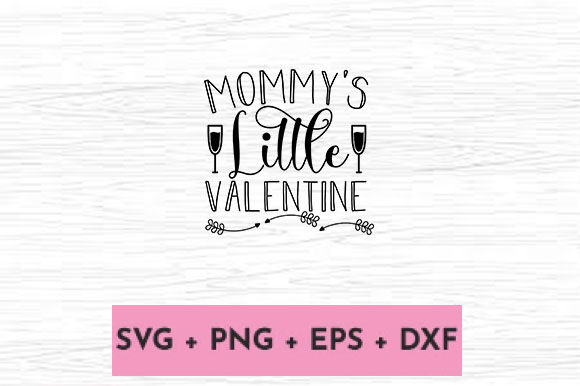
Stitching Love: A Designer’s Review of Mommy’s Little Valentine
As an embroidery designer who has spent countless hours digitizing and stitching out files for clients, I have learned that not every cute graphic translates well to thread. When I first pulled up the MOMMY S LITTLE VALENTINE design, my initial reaction was one of cautious optimism. The theme is undeniably sweet, tapping into that perennial market for baby items and maternal gifts. However, seeing a vector SVG on a screen is vastly different from watching a needle punch through fabric. I needed to know if this asset would hold up in a real-world embroidery project or if it was just another digital file destined to gather dust.
First Impressions and Visual Personality
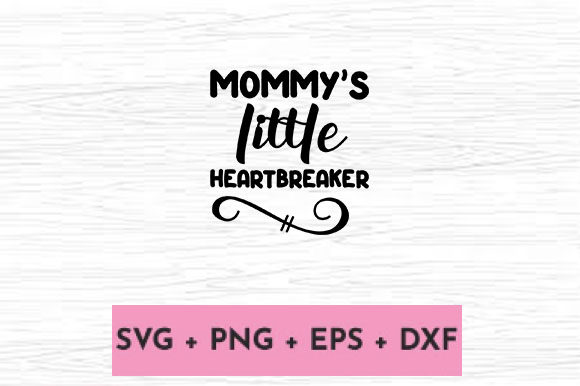
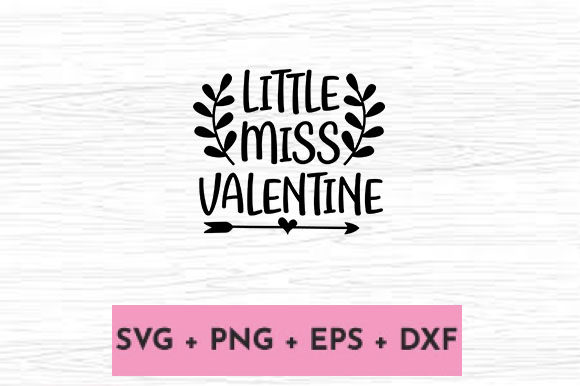
The mood of MOMMY S LITTLE VALENTINE is warm, playful, and affectionate. It fits squarely into the category of holiday embroidery that feels personal rather than generic. The layout suggests a balance between text and decorative elements, which is crucial for readability once stitched. In the world of Graphics and Crafts, we often see designs that are too busy for small hoops. This design appears to have a clear focal point, which is a good sign for clarity.
For those of us running a craft business, visual appeal is everything. A design must look professional on a mockup and even better in person. The "little valentine" angle suggests this is perfect for baby embroidery projects, such as onesies, bibs, or soft blankets. It creates an immediate emotional connection, which is exactly what drives sales for an Etsy seller or a boutique owner looking for unique design assets.
Real-World Application: The Tote Bag Test
To truly evaluate this file, I imagined applying it to a custom canvas tote bag. This is a popular small shop product because it is low-risk and high-visibility. If I were stitching this for a client’s holiday gift, I would need to ensure the lettering remained legible against the textured weave of the canvas.
In this scenario, the design’s performance depends heavily on stitch density. If the original SVG is converted into a machine embroidery design with too much fill, the fabric might pucker. Conversely, if it relies too heavily on running stitches, it might look sparse. For a tote, I would recommend using a medium-weight cut-away stabilizer to support the structure. The result should be a crisp, clean handmade product that looks like it belongs in a high-end nursery or boutique.
Apparel and Fabric Considerations
Moving beyond bags, let’s consider sweatshirt embroidery. Fleece and cotton blends are forgiving, but they can swallow up fine details. If MOMMY S LITTLE VALENTINE includes tiny serifs or intricate swirls, these might get lost in the pile of the fabric. I always advise testing the design on scrap fabric first. Check how the thread colors contrast with the garment. A pastel pink thread on a heather grey sweatshirt might lack the pop needed for a personalized gift to stand out.
For custom apparel like t-shirts, the stretch of the fabric is a major factor. Using a hoop that is too large for the design area can cause distortion. If this design is intended for a left-chest logo placement, ensure the scale is appropriate. It should not overwhelm the garment but still be readable from a conversational distance. This balance is key to maintaining brand consistency if you are creating a line of matching family outfits.
Navigating Technical Challenges
While the aesthetic is charming, there are areas where caution is required. Any design with text needs careful attention to stitch density. Dense areas can cause needle breaks or thread bunching, especially on smaller hoop sizes. If you are planning to use this on an embroidered patch, you have more control over the stabilizer and backing, which allows for higher density. However, for direct-to-garment stitching, less is often more.
Dark fabrics present another challenge. If you are stitching on navy or black, you must ensure your thread choice provides enough contrast. A printable mockup can help visualize this, but nothing beats a physical test stitch. Also, consider the washability. Items like baby clothes and kitchen towels undergo frequent laundering. The design must be durable. Using a proper applique design technique or reinforcing corners with satin stitches can enhance longevity.
Commercial Viability and Buyer Engagement
From a business perspective, MOMMY S LITTLE VALENTINE has strong potential for Q4 and early Q1 sales. Valentine’s Day is a significant driver for holiday embroidery themes. Customers are looking for items that feel special and exclusive. A well-executed version of this design can increase customer trust and perceived value. It signals that the maker cares about detail and quality.
For digital embroidery file sellers, providing multiple formats is essential. The product description mentions SVG and PNG files. While these are great for cutting machines and sublimation, embroidery customers typically look for DST, PES, or JEF files. If you are adapting this graphic for embroidery, ensure you are respecting licensing terms. Always confirm whether the license allows for commercial embroidery sales. Selling finished items is different from reselling the digital file itself.
Practical Designer Notes
- Test on Scrap: Never stitch a new design directly on the final product. Use similar fabric to check tension and density.
- Check Contrast: View the design in black and white to ensure the shapes are distinct without color reliance.
- Stabilizer Choice: Match the stabilizer to the fabric weight. Tear-away for stable woven fabrics, cut-away for knits.
- Hoop Size: Ensure the design fits comfortably within your smallest available hoop if scaling down.
- License Verification: Confirm if the source file allows for commercial use of finished goods.
Final Verdict
MOMMY S LITTLE VALENTINE is a versatile asset for the right project. It shines in contexts where warmth and personalization are valued, such as baby clothes, tote bag design, and holiday gifts. It requires a thoughtful approach to digitizing and stitching, particularly regarding density and fabric choice. For the experienced maker, it offers a solid foundation for creating memorable finished product items. For the beginner, it serves as a good lesson in balancing aesthetics with technical constraints. By paying attention to the details—thread, stabilizer, and fabric—you can transform this simple graphic into a standout piece of art that resonates with buyers and recipients alike.