Reviewing Since You’re My Friend for Embroidery
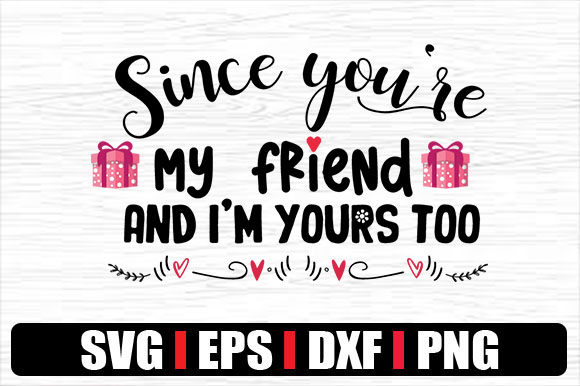
As a designer who has spent countless hours digitizing and testing machine embroidery design files, I have learned that not every graphic translates well to thread. When I first encountered Since You re My Friend, my immediate reaction was one of cautious optimism. The phrase carries a warmth that is perfect for the upcoming Valentine’s season, but as professionals, we know that sentiment alone does not make a viable product. We need to look at the structure, the potential stitch paths, and how this asset behaves when moved from a digital screen to physical fabric.
This review comes from the perspective of someone who runs a small craft business and frequently collaborates with Etsy sellers. I am not just looking at the aesthetic; I am evaluating whether this embroidery file can withstand the rigors of commercial production while maintaining the delicate charm it promises.
First Impressions and Visual Personality
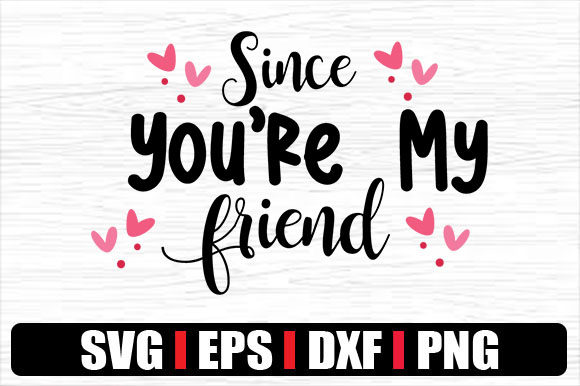
The mood of Since You re My Friend is undeniably sweet, leaning into the softer side of Valentine’s Day rather than the romantic intensity often seen in February marketing. For embroidery designers, this distinction is crucial. It opens up a wider market, including platonic gifts, classroom exchanges, and family-oriented projects. The layout appears balanced, suggesting that if digitized correctly, it could serve as a strong focal point on various garments.
However, because the source material includes high-quality vector SVG files and PNGs with transparent backgrounds, we must remember that these are Graphics intended for multiple uses. Before loading this into your embroidery software, you must assess the complexity. Vector lines do not always equate to efficient stitch paths. If the design relies heavily on tiny, intricate details, it may require careful manipulation to ensure it remains legible after stitching.
Real-World Application: The Custom Tote Scenario
To truly test the viability of this design, I imagined a real-life scenario: creating a batch of custom tote bags for a local boutique’s Galentine’s Day promotion. A tote bag design needs to be bold enough to be read from a distance but refined enough to feel premium.
In this context, Since You re My Friend shines if applied with the right technique. On a sturdy canvas tote, a combination of satin stitch for the lettering and a light fill stitch for any accompanying graphical elements would provide durability. Customers interacting with handmade products value tactile quality. If the text feels raised and substantial, it enhances the perceived value of the handmade product. Conversely, if the design is too sparse or uses only running stitch outlines, it might look unfinished on a heavy fabric like canvas.
For Etsy seller audiences, this versatility is a selling point. The same design could be scaled down for a personalized gift like a baby onesie or scaled up for a sweatshirt embroidery project. The key is understanding how the scale affects the stitch density. What looks crisp at four inches may become a tangled mess at two inches if the digitizer did not account for minimum stitch lengths.
Navigating Fabric and Hoop Constraints
One of the most critical aspects of using any new digital embroidery file is understanding its limitations on different textiles. While Since You re My Friend may look flawless on a mockup, real-world fabrics behave differently.
- Textured Fabrics: On towels or fleece, fine details can get lost. If this design includes thin lines, consider using a heavier weight thread or adjusting the underlay to prevent the fabric from poking through.
- Stretchy Materials: For baby embroidery on knitwear, stabilization is non-negotiable. Without proper cut-away stabilizer, the design may pucker, distorting the friendly message into something unreadable.
- Dark Fabrics: If you plan to offer this on navy or black apparel, ensure your thread colors have sufficient contrast. A pastel pink on black might lack visibility unless a backing stitch is used to brighten the base.
Additionally, consider the hoop size. If the design is wide, it may not fit standard 4x4 hoops without resizing, which could compromise the integrity of the lettering. Always check the dimensions provided in the product description against your machine’s capabilities before committing to a large production run.
Commercial Viability and Brand Consistency
For those running a craft business, consistency is key to building trust. Using a design like Since You re My Friend can help establish a brand voice that is approachable and caring. However, professionalism lies in the execution. A poorly stitched design can damage buyer engagement and lead to returns.
When preparing this for commercial embroidery, I recommend creating a printable mockup to visualize the final placement. Does it sit well on the left chest of a shirt? Does it center nicely on a pillow cover? These decisions impact the overall aesthetic of your small shop product line. Furthermore, ensuring that the design aligns with your existing design assets helps create a cohesive collection that customers can recognize.
Practical Designer Notes for Best Results
Before you begin stitching, take a moment to review these practical steps. They are the difference between a hobbyist attempt and a professional finished product.
- Test on Scrap Fabric: Never skip this step. Use the same type of fabric and stabilizer you intend to use for the final item. This reveals issues with tension and density early.
- Check Stitch Density: High density can cause puckering, especially on lighter fabrics. If the design feels stiff after stitching, consider reducing the density in your editing software.
- Verify Licensing: While the product description mentions use for mugs, t-shirts, and cards, always confirm the specific license terms for commercial use. Ensure you are compliant when selling finished items or using the graphics in digital listings.
- Contrast Testing: View the design in black and white. If the details disappear, the contrast is too low, and you may need to adjust thread choices or add outlining.
In conclusion, Since You re My Friend offers a charming foundation for various Crafts projects. Its success, however, depends entirely on the skill of the embroiderer and the preparation involved. By treating this Graphics asset with the technical respect it deserves, you can create beautiful, durable items that resonate with customers. Whether you are making a single holiday embroidery gift or stocking inventory for your online store, thoughtful application of this design will yield rewarding results.