Will You Be My Gnome: A Designer’s Take
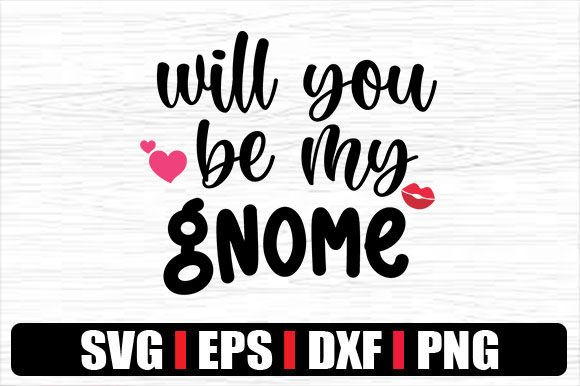
As someone who has spent countless hours staring at digitizing software and watching needles punch through fabric, I have learned to look past the initial cute factor of a design. We see thousands of files every season, but only a few truly earn their place in our active project folders. Recently, I came across Will You Be My Gnome, and it stopped me in my tracks. It is not just another holiday graphic; it is a thoughtful piece of visual storytelling that bridges the gap between whimsical charm and professional presentation.
The first impression this design creates is one of warmth and playful intimacy. The layout balances the quirky personality of garden gnomes with the tender sentiment of Valentine’s Day. For an embroidery designer, this balance is critical. If the text overwhelms the character, you lose the humor. If the character is too complex, you lose stitch clarity. This design manages to keep both elements distinct yet harmonious. The visual personality feels approachable, making it an ideal candidate for projects where emotional connection drives the sale.
Real-World Application and Stitching Potential
I recently had a client request a set of custom embroidered tote bags for a local boutique’s Valentine’s pop-up shop. They wanted something that felt handmade but looked polished enough to justify a premium price point. Will You Be My Gnome was my immediate choice. Here is why it works so well in a real-life scenario.
When translating a digital concept into a physical machine embroidery design, we must consider how the threads will interact with the fabric. This design appears to rely on clean lines and manageable density. On a canvas tote bag, which has a relatively coarse weave, designs with excessive detail can get lost or cause puckering. The bold shapes typical of gnome illustrations pair beautifully with the texture of heavy cotton or linen. The result is a finished product that looks intentional and sturdy, not fragile.
Beyond tote bags, this design shines on sweatshirt embroidery. The soft, fuzzy surface of fleece or French terry can swallow up fine details, but the strong silhouettes in this artwork remain visible. Imagine a oversized cream-colored hoodie with this design stitched in warm reds and earthy browns on the left chest. It transforms a basic garment into a personalized gift that feels curated. For Etsy sellers and small shop product creators, this versatility is gold. You can offer the same digital embroidery file across multiple categories without needing to radically alter the scale or complexity.
Navigating Fabric and Hoop Constraints
While the design is versatile, practical judgment is required when selecting materials. Not every fabric is a friend to every embroidery file. I would exercise caution when using this on thin, stretchy fabrics like lightweight jersey or silk blends. Without proper stabilization, the weight of the stitches could distort the garment, causing the gnome’s hat or the lettering to warp after washing.
If you are working with dark fabric, pay close attention to your thread colors. The contrast is vital for readability. If the original design relies on subtle shading, you may need to adjust the color palette to ensure the text pops against navy or black backgrounds. Additionally, consider the hoop size. While this design likely fits standard medium hoops, placing it on a curved surface like a cap requires careful positioning. The brim of a gnome’s hat or the bottom of the text should not cross the seam line of a baseball cap, or the stitching will become uneven and difficult to execute.
For baby embroidery projects, such as onesies or bibs, check the stitch density. Babies have sensitive skin, and dense fill stitches can feel stiff or scratchy. If this design uses heavy satin stitching for the text, consider adding a soft backing or choosing a lighter fill method if your digitizing software allows for adjustments. Always test on scrap fabric first to gauge the hand feel of the final embroidered patch or direct stitch.
Commercial Value and Brand Consistency
From a business perspective, Will You Be My Gnome offers more than just aesthetic appeal; it builds brand trust. Customers associate high-quality stitching with professionalism. A clean, well-executed design signals that the maker cares about details. This is crucial for craft business owners who rely on repeat customers and positive reviews.
The theme fits seamlessly into the broader category of Crafts and Graphics that perform well during Q1 and Q4. It is not limited to Valentine’s Day, either. The "gnome" motif has year-round appeal in home decor. You could market this as part of a seasonal collection, using it on pillow covers, tea towels, or even as an applique design on denim jackets. The key is consistency. If your brand voice is whimsical and heartfelt, this design reinforces that identity.
For those creating printable mockup assets or digital previews, the transparency of PNG files mentioned in the product description is a significant advantage. It allows you to place the design on various backgrounds quickly, helping potential buyers visualize the custom apparel or home goods before they purchase. This reduces hesitation and increases conversion rates for design assets sold online.
Practical Notes for the Embroiderer
Before you load this into your machine, take a moment to review the technical specifics. Since the product description highlights high-quality vector SVG files and PNGs, ensure you have the correct embroidery format for your machine. Vector files are excellent for cutting machines or printing, but they do not directly translate to stitch data without proper digitizing software or a pre-digitized counterpart.
- Check the License: Confirm whether the license allows for commercial use of finished items. Most designers allow selling physical products but restrict reselling the digital file itself.
- Stabilizer Choice: Use a cut-away stabilizer for stretchy fabrics like sweatshirts and a tear-away for stable woven fabrics like tote bags or aprons.
- Thread Contrast: Test your thread colors against your fabric. A dark thread on a dark fabric will render the design invisible from a distance.
- Needle Selection: Use a sharp needle for woven fabrics and a ballpoint needle for knits to prevent skipped stitches or fabric damage.
In conclusion, Will You Be My Gnome is a strong contender for any designer’s library. It balances trendiness with timeless appeal, offering a practical solution for a wide range of holiday embroidery and everyday handmade product needs. By respecting the material constraints and focusing on quality execution, you can turn this digital asset into a tangible item that brings joy to your customers and profit to your business.