Reviewing MY LITTLE LOVE BUG for Embroidery
As a designer who has spent countless hours digitizing and stitching out files for clients, I have learned that not every cute graphic translates well to thread. When I first encountered MY LITTLE LOVE BUG, my initial reaction was one of cautious optimism. The concept is undeniably charming, tapping into the evergreen market for Valentine’s Day and affectionate gifting. However, charm alone does not make a viable embroidery project. I needed to know if this design would hold up under the needle, maintain its integrity on various fabrics, and ultimately deliver value to the end customer.
The product description highlights that these are high-quality vector SVG files, ideal for mugs, t-shirts, and cards, with PNG options available. For those of us in the Crafts and Graphics space, this versatility is a double-edged sword. While it suggests broad usability, it also means the original artwork was likely created for print or digital display, not specifically for the mechanical constraints of an embroidery machine. This distinction is critical. A design that looks crisp on a screen can become a tangled mess of thread if the details are too fine or the spacing is too tight.
First Impressions and Visual Personality
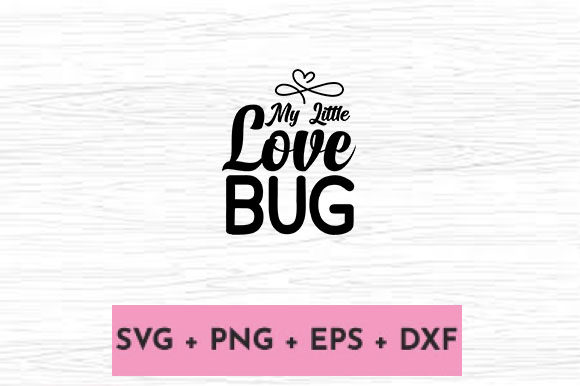
MY LITTLE LOVE BUG exudes a playful, whimsical mood. The layout appears balanced, with a clear focal point that draws the eye immediately. For an embroidery designer, this is a good starting point. The visual personality suggests it belongs on items meant to evoke warmth and nostalgia. I could easily imagine this stitched onto a soft baby onesie, a cozy toddler sweatshirt, or a decorative pillow cover for a nursery. The theme is versatile enough to work beyond just romantic Valentine’s contexts, extending into general expressions of love and care.
However, the devil is in the details. When evaluating a machine embroidery design derived from vector graphics, I always look for potential trouble spots. Are there tiny text elements that might blur? Are there sharp corners that could cause thread breaks? In this case, the "Love Valentine Quote Sayings" aspect requires careful scrutiny. If the lettering is small, it may need to be simplified or enlarged to ensure readability after stitching. A satin stitch might be too dense for tiny letters, while a running stitch might lack the definition needed for a polished look.
Real-World Application: The Tote Bag Test
To truly evaluate MY LITTLE LOVE BUG, I mentally walked through a real-life scenario: creating a custom embroidered tote bag for a local boutique. Tote bags are typically made from canvas or heavy cotton, which provides a stable base but can be thick. Here, the stitch density becomes a major factor. If the design is too dense, it will cause the fabric to pucker, ruining the aesthetic of the handmade product. Conversely, if the density is too low, the background fabric might show through, making the design look sparse and unfinished.
I also considered how this design would perform on a sweatshirt embroidery project. Fleece and jersey knits are stretchy and textured. Without proper stabilization, even a well-digitized file can distort. For a personalized gift like this, the customer expects durability. They want to wash the item without the threads pulling apart or the design losing its shape. This is where the choice of stabilizer is non-negotiable. A cut-away stabilizer would likely be necessary for knit fabrics to provide long-term support, whereas a tear-away might suffice for woven cottons.
Navigating Fabric and Hoop Constraints
One of the most important aspects of using MY LITTLE LOVE BUG is understanding where it should not be used without modification. Small hoop sizes present a challenge if the design includes intricate borders or extensive text. If you are working with a 4x4 inch hoop, you may need to crop or simplify the design to fit comfortably, ensuring there is enough margin for the hoop grip. Additionally, curved surfaces like caps require special attention. A design that lies flat on a towel may bunch up on a baseball cap due to the curvature and the stiff buckram material often used in hat embroidery.
Dark fabrics pose another hurdle. If the original Graphics file uses light colors, you must ensure your thread colors provide sufficient contrast. A pastel pink bug on a navy blue shirt might look sweet in theory but disappear in practice. I always recommend testing the design in black and white mockups first to check for value contrast. If the design relies on subtle shading, it may need to be adjusted to use bolder, solid blocks of color that translate better to thread.
Commercial Viability and Brand Consistency
For Etsy sellers and small shop product creators, consistency is key. MY LITTLE LOVE BUG needs to fit within your brand’s visual identity. If your shop specializes in minimalist, modern designs, this whimsical piece might feel out of place. However, if your brand leans toward handmade, heartfelt, and rustic aesthetics, it could be a bestseller. The perceived value of the finished product depends heavily on the quality of the stitch-out. A clean, professional finish builds customer trust and encourages repeat business.
It is also crucial to consider the licensing terms. Since the product is sold as a digital asset, you must confirm whether it allows for commercial use of the physical embroidered items. Many designers allow you to sell the finished custom apparel or embroidered patch, but prohibit reselling the digital file itself. Always read the license agreement carefully to avoid legal issues down the line.
Practical Designer Notes for Success
Before committing to a large production run or listing this item in your store, follow these practical steps:
- Test on Scrap Fabric: Always stitch out a test sample on the same type of fabric you intend to use for the final product. This reveals any tension issues or puckering.
- Check Thread Contrast: Ensure your chosen thread colors stand out against the fabric background. High contrast improves visibility and appeal.
- Review Stitch Density: If the design feels heavy or stiff after stitching, consider reducing the density in your editing software if possible, or switching to a lighter weight fabric.
- Confirm Hoop Size: Measure the design dimensions against your machine’s maximum hoop size to ensure it fits without resizing, which can distort proportions.
- Inspect Small Details: Zoom in on the digitized file to check for tiny jumps or unnecessary trims that could slow down production or increase thread breaks.
- Use Proper Stabilizer: Match the stabilizer to the fabric. Use cut-away for stretchy knits and tear-away for stable wovens.
In conclusion, MY LITTLE LOVE BUG offers a delightful aesthetic that resonates with the current demand for personalized, heartfelt goods. While it originates as a vector graphic intended for various print applications, its success in embroidery depends on thoughtful adaptation. By paying attention to fabric texture, stitch density, and proper stabilization, you can transform this digital asset into a stunning physical product. Whether you are creating a holiday embroidery piece for a family member or a commercial embroidery item for your online store, taking the time to evaluate and test the design will ensure a professional result that customers will love.