Xoxo Embroidery Review: A Designer’s Take
When I first pulled up the Xoxo design files on my screen, I wasn’t looking for flashiness. As someone who spends half their life digitizing and the other half stitching out test runs, I look for reliability. I look for a design that translates well from a digital vector to actual thread on fabric. This particular set of loving Valentine’s Day Quote designs caught my eye not because it was complex, but because it felt versatile. The clean lines suggested a modern aesthetic that could work across various Crafts categories without feeling dated or overly sentimental in a cheesy way.
First Impressions and Visual Personality
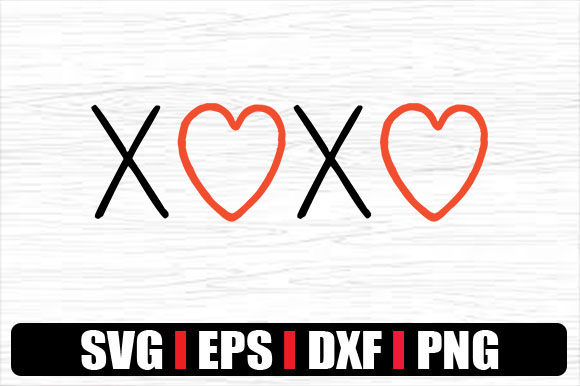
The mood of Xoxo is warm yet understated. It doesn’t scream for attention; instead, it invites a closer look. The layout balances the iconic "X" and "O" symbols with a typographic approach that feels hand-lettered but precise. For an embroidery designer, this is crucial. Overly intricate scripts can turn into a nightmare of thread breaks and bird nests on the bobbin side. Here, the visual personality suggests a moderate stitch density, which is a good sign. It implies that the design will sit flat on the fabric rather than puckering it, a common issue with dense fill stitches in small areas.
I immediately thought about how this would look on a neutral canvas. The high-quality vector SVG files mentioned in the description are great for mugs and print-on-demand, but my mind went straight to textiles. The transparency of the accompanying PNG files allows for easy mockups, which is essential when presenting ideas to clients before committing to the hoop. In the world of Graphics for crafters, having both vector and raster options saves time and reduces friction in the design process.
Real-World Application: The Tote Bag Test
To truly evaluate a design, you have to imagine it in a real-life scenario. I pictured a custom embroidered tote bag made from heavy cotton canvas. This is a staple product for many Etsy sellers and small shop owners. The Xoxo design, with its balanced proportions, would sit beautifully centered on the front panel. Because the design isn’t overly wide, it leaves room for personalization below it, such as a name or a date, without crowding the composition.
I also considered a sweatshirt embroidery project. Hoodies and crewnecks are thick, textured fabrics that can swallow up delicate details. However, the bold nature of the X and O shapes in this design means they would remain legible even on fuzzy fleece or French terry cloth. The contrast between the thread colors and the garment would be key here. A cream thread on a heather grey sweatshirt would offer a subtle, sophisticated look, while a bright red on white would lean into the traditional Valentine’s vibe. Both approaches work, giving the maker flexibility depending on their brand aesthetic.
Versatility Across Product Lines
Beyond bags and apparel, this design shines in smaller applications. Think about baby embroidery on a onesie or a burp cloth. The simplicity of the motif makes it gender-neutral and age-appropriate. It’s sweet without being infantilizing. For holiday gifts, this design could easily be adapted for kitchen towels or aprons, adding a touch of warmth to functional items. The key is scaling. Since the files are vectors, resizing is lossless, but as an embroiderer, you must be mindful of the minimum stitch length and detail retention when shrinking the design for smaller hoop sizes.
Technical Considerations for Stitching
While the visual appeal is strong, practical execution requires caution. When working with any quote-based or symbolic design, stitch direction matters. If this design utilizes satin stitch for the outlines, ensuring the underlay is sufficient is critical to prevent gapting on stretchy fabrics. If it uses fill stitch, checking the density is vital to avoid stiffness. I always recommend testing the design on scrap fabric first. This isn’t just about checking for errors; it’s about seeing how the thread interacts with the specific material you plan to use.
For curved surfaces like caps or hats, the center placement of Xoxo is advantageous. It avoids the distortion that often happens when wide designs wrap around the curve of a cap brim. However, if you are using a structured cap, ensure your stabilizer is cut-to-fit and robust enough to support the stitch count. On thin fabrics, such as silk or lightweight rayon for scarves, a tear-away stabilizer might not be enough. A cut-away stabilizer would provide the necessary support to keep the design crisp after washing.
Navigating Fabric and Thread Challenges
One area where designers need to be careful is with dark fabrics. If the design relies on fine details, using a light-colored thread on black fabric can sometimes reveal the underlying fabric if the stitch coverage isn’t 100%. I advise inspecting the design in a black-and-white mockup to gauge contrast. Additionally, thread color choice can make or break the final product. Metallic threads can add a festive touch for holiday embroidery but may require slower machine speeds and specialized needles to prevent shredding.
Textured fabrics like toweling or corduroy present another challenge. The pile of the fabric can obscure smaller elements. In such cases, increasing the stitch density slightly or choosing a thicker thread weight can help the design pop. Always check whether the design works for both personal and commercial projects by reviewing the license terms provided with the digital embroidery file. Most reputable sellers allow for physical product sales, but restrictions on reselling the digital file itself are standard.
Enhancing Brand Value and Customer Trust
From a business perspective, using a well-balanced design like Xoxo enhances the perceived value of your handmade product. Customers associate clean, professional stitching with quality. A messy or poorly digitized design can undermine trust, no matter how high-quality the materials are. This design’s clarity contributes to a polished finished product, which is essential for boutique branding and customer retention.
For printable mockups and digital product previews, the transparent PNGs included in the package are invaluable. They allow you to showcase the design on various backgrounds without needing to stitch every single sample. This efficiency helps craft business owners save time and resources while still providing customers with a clear expectation of the final item. Whether you are creating personalized gifts for local clients or listing items for a global audience, the versatility of this asset supports a professional workflow.
Final Verdict for Makers
In summary, Xoxo is a solid addition to any embroidery designer’s library. It bridges the gap between seasonal novelty and everyday wearability. It performs well on a variety of fabrics, from sturdy canvas to soft knits, provided you adjust your stabilizer and thread choices accordingly. It is particularly suited for those looking to expand their Valentine’s Day offerings without limiting themselves to just one type of product.
Before you start stitching, remember to confirm hoop size compatibility with your machine and review the specific stitch settings recommended by the digitizer. Test on scraps, play with thread colors, and consider how the design fits into your broader collection of design assets. With careful preparation, this graphic can elevate your custom apparel, tote bag design, and holiday embroidery projects, helping you create items that customers love to give and receive.